+86 136 0285 3630 asun@gdyatian.com 17 Fengying Road, Taiping Town, Conghua District, Guangzhou City, Guangdong Province
Views: 0 Author: Site Editor Publish Time: 2026-03-18 Origin: Site
Choosing the right UTV can feel overwhelming, especially with so many models and specifications available. The key is not just comparing numbers, but understanding how a UTV fits your real needs. From work tasks to off-road adventures, every use case requires different features. In this guide, we’ll help you choose the best UTV by breaking down types, specs, and comfort factors, so you can confidently find the perfect match for your lifestyle.
Most buyers jump straight into specs like horsepower or top speed. That approach often leads to the wrong choice. It’s far more effective to start by understanding how you’ll actually use your UTV in real life. Your daily tasks, terrain, and riding habits should guide every decision that follows.
UTVs are built for very different purposes, and choosing the right category depends on your primary use.
Work (Farming, Construction, Property Maintenance)
If your focus is productivity, you’ll need a machine built for strength and reliability. Utility models like the Kawasaki Mule are designed to handle heavy loads, tow equipment, and operate in demanding environments. These are ideal for hauling tools, transporting materials, and managing daily property tasks.
Recreation (Trail Riding, Dunes, Off-Road Fun)
For weekend adventures and off-road excitement, performance matters more than payload. Sport-focused machines such as the Polaris RZR offer better acceleration, suspension, and handling. They are perfect for trail riding, dune exploration, and high-speed off-road fun.
Hunting and Outdoor Activities
Hunters and outdoor enthusiasts need a balance of capability and stealth. Quiet operation is a major advantage, especially in wildlife environments. You’ll also want enough cargo space for gear and strong traction for uneven terrain like mud, forests, or hills.
Multi-Purpose / Mixed Use
Many buyers want a UTV that can handle both work and recreation. In this case, crossover models provide a practical balance. Vehicles like the Yamaha Wolverine allow you to complete tasks during the day and still enjoy trail riding afterward.
Before comparing models, take a moment to answer a few essential questions. These will help narrow your options quickly.
1. What terrain will you ride on most often?
Terrain directly affects the type of UTV you need.
| Terrain Type | Recommended Features |
|---|---|
| Mud / farmland | 4WD, aggressive tires |
| Rocky trails | High ground clearance, strong suspension |
| Sand / dunes | High horsepower, wide stance |
| Forest trails | Narrow width, tight turning radius |
2. How much weight will you carry or tow?
Think about your typical workload rather than occasional use. Light tasks may only require basic capacity, but regular hauling or towing demands a more powerful and durable machine.
3. How many passengers will ride regularly?
UTVs come in multiple seating configurations. A 2-seater works well for solo tasks, while 4- or 6-seaters are better for families, teams, or hunting groups. Keep in mind that more seats can reduce cargo space.
4. How often will you use the UTV?
If you plan to use it daily, prioritize comfort, durability, and ease of maintenance. For occasional use, performance and recreational features may be more important.
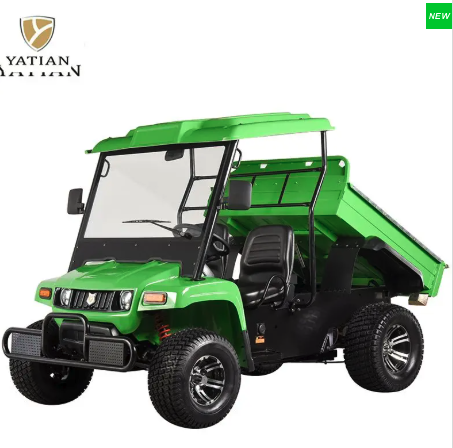
Not all UTVs are built the same. Each type focuses on a different purpose, so choosing the right category matters more than picking a specific model.
| Use Scenario | Best UTV Type |
|---|---|
| Heavy hauling, farm work | Utility UTV |
| High-speed trails, dunes | Sport UTV |
| Mixed tasks + weekend riding | Crossover UTV |
You can also use this quick checklist:
Need to tow or carry heavy loads often → choose utility
Want speed and off-road excitement → choose sport
Need one machine for everything → choose crossover
Towing capacity tells you how much weight a UTV can safely pull. It becomes critical if you plan to haul trailers, tools, or equipment regularly.
| UTV Category | Towing Capacity |
|---|---|
| Light-duty | 1,000–1,500 lbs |
| Mid-duty | 1,500–2,000 lbs |
| Heavy-duty | 2,000+ lbs |
When choosing, think about your typical workload, not occasional heavy use. Light yard work may not need high capacity, but farm or construction tasks usually require more pulling power. Also keep in mind that rough terrain reduces real towing performance.
Payload refers to the total weight a UTV can carry, including passengers and cargo. Bed capacity focuses only on the cargo area.
| UTV Type | Payload Capacity |
|---|---|
| Recreational | 500–800 lbs |
| Utility | 1,000–1,500+ lbs |
It’s easy to underestimate how quickly weight adds up. Tools, gear, and passengers all count. Exceeding limits can affect handling and safety. When choosing a cargo bed size, think about how you’ll use it. A small bed works for light gear, while a larger bed is better for hauling materials. Models like the Kawasaki Mule offer more cargo space, making them practical for daily work.
Top speed looks impressive, but it doesn’t always matter. In many cases, control and stability are far more important. High-speed models like the Polaris RZR are great for open trails and recreational riding. However, in work environments or tight spaces, high speed becomes less useful.
You should consider:
Where you will ride most of the time
How often you carry loads
Whether safety or speed is the priority
Higher speeds increase stopping distance and reduce control on uneven ground. For most users, moderate speed combined with stability works better.
Ground clearance determines how easily a UTV moves over obstacles like rocks, mud, or uneven terrain. Suspension affects both comfort and handling.
| Feature | Benefit | Trade-off |
|---|---|---|
| High clearance | Better obstacle handling | Less stability at speed |
| Long suspension travel | Smoother ride on rough terrain | Reduced load stability |
Shorter suspension systems feel more stable under load, which suits work-focused tasks. Longer suspension systems absorb bumps better, making them ideal for trail riding. Crossover models like the Yamaha Wolverine RMAX4 1000 try to balance both comfort and stability, offering flexibility across different terrains.
Tires play a bigger role than many buyers expect. They directly affect traction, handling, and even fuel efficiency.
| Tire Type | Best For | Characteristics |
|---|---|---|
| Mud tires | Wet, soft ground | Deep tread, strong grip |
| All-terrain | Mixed surfaces | Balanced performance |
| Sand tires | Dunes | Wide, paddle-style design |
Aggressive tires improve grip in difficult conditions, but they can reduce efficiency and make steering feel heavier. Wider tires improve stability, though they may reduce agility in tight spaces. For most users, all-terrain tires offer the best balance. They handle different surfaces well and keep performance consistent across changing conditions.
Seating is more than just numbers. It affects comfort, usability, and how often you enjoy the ride. We should think about who rides with us most of the time, not just rare situations.
UTVs come in different seating layouts. Each one fits a specific type of use.
| Seating Type | Best For | Key Advantage | Trade-off |
|---|---|---|---|
| 2-Seater | Solo work, small tasks | Compact, easier to handle | Limited passenger space |
| 4-Seater | Families, small teams | More flexibility | Longer wheelbase |
| 6-Seater | Group transport | Maximum capacity | Less cargo space |
A 2-seater works well for daily jobs and tight areas. It turns easier and feels more agile.
A 4-seater adds flexibility. It allows extra passengers when needed, without becoming too large.
A 6-seater is useful for crews or large families, though it often sacrifices cargo room.
Comfort becomes important when you spend more time inside the vehicle. Small details can make a big difference.
Seat design and adjustability
Good seats provide support during long rides. Adjustable seats help different drivers find a better position. Some models include bolstered seats for rough terrain.
Cabin space and legroom
Tight cabins feel uncomfortable over time. More legroom improves comfort, especially for taller passengers. Rear seats in larger models should still offer enough space.
Noise and vibration levels
Engine noise and vibration affect fatigue. Quieter machines feel more comfortable during long workdays. Electric models, such as the Polaris Ranger XP Kinetic, reduce both noise and vibration significantly.
Ease of use matters more than many expect. It affects how quickly you can get in, operate controls, and work efficiently.
Entry height
Higher ground clearance can make entry more difficult. Lower step-in height feels more convenient, especially for frequent stops. Grab handles and wide doors help improve access.
Controls and usability
Controls should feel simple and easy to reach. Drivers should not need to stretch or adjust often. Clear dashboards and intuitive layouts improve overall experience.
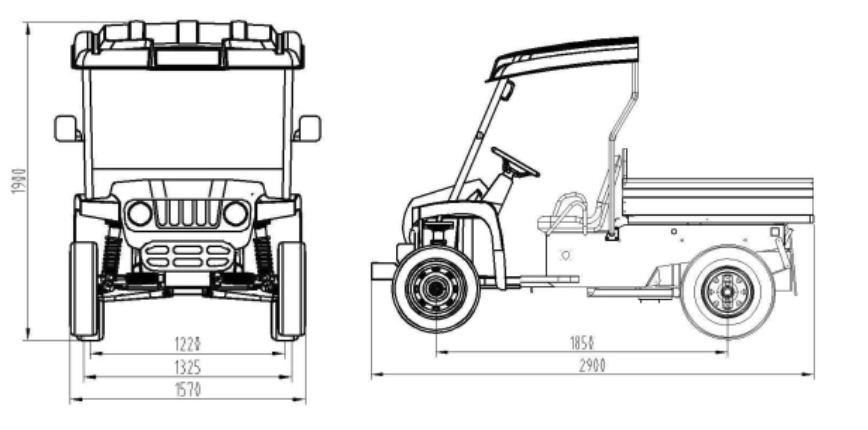
Finding the right UTV comes down to how you plan to use it every day. When you focus on your terrain, workload, and riding habits, the decision becomes much clearer. Instead of chasing specs, you start choosing a machine that actually works for you.
If you’re looking for reliable options tailored to real-world needs, Guangdong Yatian Industrial Co., Ltd.offers a range of UTV solutions designed for both work and recreation. Explore your options, compare features carefully, and choose a UTV that truly fits your lifestyle and long-term use.
The right size depends on your terrain and tasks. Smaller UTVs work better in tight spaces, while larger models handle heavy loads and open areas more efficiently.
Higher horsepower is not always necessary. It helps in fast riding or heavy-duty use, but for light work or small properties, lower power is often more practical.
Gas UTVs are better for long hours and remote areas. Electric UTVs are quieter and require less maintenance, making them ideal for short-distance work and noise-sensitive environments.
Towing capacity is important if you plan to pull trailers or equipment regularly. If towing is occasional, a mid-range capacity is usually enough.
4WD is useful for rough terrain, mud, or snow. If you mostly drive on flat and dry surfaces, 2WD may be enough.