+86 136 0285 3630 asun@gdyatian.com 17 Fengying Road, Taiping Town, Conghua District, Guangzhou City, Guangdong Province
Views: 0 Author: Site Editor Publish Time: 2026-03-18 Origin: Site
UTV vs ATV is one of the most common questions for off-road buyers today. If you’re choosing between a UTV or ATV, understanding the real differences helps you make the right decision. We’ll break down ATV vs UTV use cases, riding styles, safety, and terrain performance. Whether you need a utility task vehicle for work or an all-terrain vehicle for trails, this guide makes it simple. Let’s explore which option fits your needs best.
An ATV is a compact off-road vehicle designed mainly for one rider. You sit on top of it in a straddle position, similar to a motorcycle, and control it using handlebars. It’s lightweight, responsive, and built for navigating tight trails or uneven terrain where quick movements matter.
Designed for solo riding (some 2-up models exist)
Handlebar steering and thumb throttle control
Agile, fast, and ideal for narrow paths
A UTV is a larger off-road vehicle built for both work and recreation. You sit inside it, not on it, and drive it using a steering wheel and foot pedals. It feels more like a small car, offering greater stability and space for passengers or cargo.
Seats 2–6 people side by side
Equipped for hauling, towing, and heavier tasks
Includes features like seat belts and a roll cage
The term “Side-by-Side” (SxS) refers to how passengers are seated inside a UTV. Instead of sitting front to back, they sit next to each other in a row. Because of this layout, most UTVs are commonly called side-by-sides, and the two terms are often used interchangeably.
ATVs are best when you want a fast, flexible ride through narrow trails or rough paths. They respond quickly, and you stay actively involved in every movement. UTVs, on the other hand, work better when you need to carry people, transport gear, or handle demanding tasks. They provide more comfort and stability, especially on longer or more rugged routes.
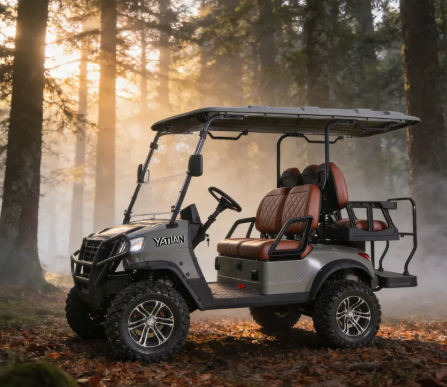
When we compare these two machines, the differences become clear very quickly. Each one fits a different type of rider and task.
| Feature | ATV (All-Terrain Vehicle) | UTV (Utility Task Vehicle / SxS) |
|---|---|---|
| Seating Capacity | 1 rider (sometimes 2) | 2–6 passengers |
| Controls | Handlebars + thumb throttle | Steering wheel + foot pedals |
| Size & Weight | Smaller, lighter | Larger, heavier |
| Maneuverability | Very agile in tight spaces | Stable but less nimble |
| Hauling/Towing | Limited racks or small trailers | Strong towing + cargo bed |
| Safety Features | Minimal, gear required | Seat belts, roll cage, doors |
ATVs usually carry one rider. Some models allow two, but space stays limited. UTVs are built for groups. They let us bring friends, family, or coworkers along for the ride.
ATVs lean more toward fun and exploration. They work well for trail riding or quick tasks. UTVs handle heavier jobs. We use them to haul tools, move materials, or support work on farms and job sites.
Riding an ATV feels active from the first moment. You don’t just sit and steer. You move your body to guide it through every turn and bump.
Physical engagement: We lean into corners, shift weight on hills, and adjust balance constantly. It keeps the rider involved at all times.
Adrenaline and control: It responds quickly to input. That makes acceleration, braking, and turning feel more intense and direct.
Connection with terrain: There’s no cabin around you. You feel the wind, the mud, and every change in the ground under the tires.
It gives a raw, hands-on experience. Every trail feels more personal and immediate.
A UTV offers a very different feel. We sit inside it, hold the wheel, and drive in a more relaxed way.
Comfort and stability: Seats, suspension, and a wider stance help smooth out rough terrain. It feels steady even on uneven ground.
Group riding experience: We can bring passengers along. It turns a solo ride into a shared adventure.
Reduced fatigue on long rides: Less body movement is needed. Long trips feel easier, especially on rough or rocky paths.
| Aspect | ATV | UTV |
|---|---|---|
| Rider Involvement | High, full-body control | Moderate, seated driving |
| Comfort Level | Lower on long rides | Higher, cushioned seating |
| Social Experience | Mostly solo | Group-friendly |
| Terrain Feedback | Direct and intense | Filtered and smoother |
Choosing between an ATV and a UTV depends on how you plan to ride. We look at terrain, number of riders, and daily tasks. Each machine fits a different situation.
An ATV works best for riders who want freedom and flexibility. It feels quick, responsive, and easy to handle in tight areas.
Solo riding: It’s built mainly for one person. You get full control and a more personal ride.
Tight trail navigation: Narrow forest paths or winding routes suit it well. It turns quickly and fits into small spaces.
Lightweight transport: We can load it into a pickup bed or small trailer. Storage becomes much easier.
Lower budget: It usually costs less upfront. Maintenance and fuel costs also stay lower.
It fits riders who value speed, simplicity, and independence.
A UTV makes more sense when tasks get bigger or involve more people. It offers space, stability, and stronger capability.
Multiple passengers: We can bring friends, family, or a crew along. Seating stays comfortable for everyone.
Hauling or towing: It handles tools, firewood, or equipment easily. A cargo bed adds real utility.
Work utility: Farms, job sites, and large properties benefit from it. It supports daily tasks more efficiently.
Safer and more stable rides: Seat belts, roll cage, and wider stance improve protection and balance.
It suits users who need power, capacity, and shared experiences.
| Scenario | ATV | UTV |
|---|---|---|
| Riding Style | Solo, active | Group, relaxed |
| Trail Type | Narrow, technical | Wide, rugged |
| Transport & Storage | Easy | Requires more space |
| Work Capability | Light-duty | Heavy-duty |
| Budget Level | Lower | Higher |
Terrain plays a big role in choosing between ATV and UTV. We need to match the machine to the ground. Some areas demand agility. Others need strength and stability.
ATVs shine in places where space feels limited and paths twist often. They stay light, nimble, and easy to control.
Narrow forest trails: It slips through tight gaps between trees. Sharp turns feel easier to handle.
Sand dunes: Light weight helps it glide over soft surfaces. We can shift body position to keep balance.
Mountain paths: Steep, winding trails suit it well. It climbs and descends using rider movement for control.
It works best where precision and flexibility matter most.
UTVs perform better in rough, open, or demanding environments. They bring power, traction, and stability to the ride.
Rocky terrain: A wider base keeps it steady on uneven surfaces. Suspension absorbs heavy impacts.
Mud and uneven ground: It maintains grip and balance. Tires and weight help push through thick mud.
Farms, ranches, and job sites: It carries tools, materials, or gear. Daily work becomes easier and faster.
It fits environments where durability and load capacity matter more.
| Terrain Type | ATV Performance | UTV Performance |
|---|---|---|
| Narrow Trails | Excellent, highly agile | Limited due to size |
| Sand Dunes | Light, responsive | Stable but heavier |
| Mountain Paths | Precise, rider-controlled | Stable, less flexible |
| Rocky Ground | Less stable | Strong and balanced |
| Muddy Areas | Can struggle in deep mud | Better traction and control |
| Work Environments | Not ideal for heavy tasks | Highly efficient |
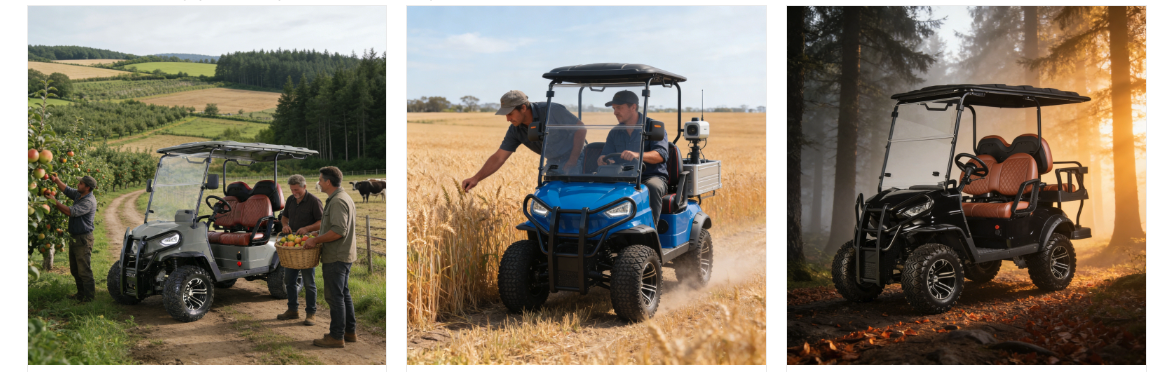
Safety matters every time we ride. Terrain, speed, and behavior all play a role. ATV and UTV designs create very different risk levels.
ATVs require more balance and rider control. That makes them exciting, but also more demanding.
Higher rollover risk: It has a narrow stance. Sharp turns or slopes can cause tipping if balance shifts wrong.
Lack of built-in protection: No cabin, no seat belts. The rider stays exposed during impacts or falls.
We rely heavily on skill and body movement. Mistakes can lead to quick loss of control.
UTVs focus more on protection and stability. They feel closer to a small off-road vehicle.
Roll cage and restraints: Most models include a protective frame and seat belts. They help reduce injury during rollovers.
Better stability: A wider base keeps it planted on uneven ground. It handles bumps and slopes more safely.
It gives riders a more secure and controlled environment.
No matter what we ride, good habits reduce risk. Small choices can make a big difference.
Wear protective gear: Helmets, gloves, goggles, and boots improve safety in any condition.
Avoid risky terrain at high speed: Slow down on sharp turns, steep hills, or loose surfaces.
Never ride under the influence: Alcohol or drugs reduce reaction time and judgment.
| Safety Factor | ATV | UTV |
|---|---|---|
| Stability | Lower, depends on rider | Higher, wider stance |
| Protection | Minimal | Roll cage, seat belts |
| Rollover Risk | Higher | Lower |
| Rider Exposure | Fully exposed | Partially enclosed |
Choosing between an ATV and a UTV depends on how you plan to ride and what you expect from your machine. Some riders want agility and excitement on narrow trails, while others need space, comfort, and work-ready performance. Think about your terrain, your passengers, and your daily tasks before making a decision.
If you’re looking for reliable off-road solutions, Guangdong Yatian Industrial Co., Ltd. offers a range of high-quality vehicles built for both work and adventure. Explore their lineup to find a model that matches your riding style and business needs.
An ATV is smaller, designed for one rider who actively controls it using body movement. A UTV is larger, driven like a car, and built to carry multiple passengers and cargo.
A UTV is usually easier for beginners because it feels more stable and uses familiar controls like a steering wheel and pedals.
Most ATVs are made for one rider, although some models allow a second passenger, but space and comfort remain limited.
A UTV generally offers more safety features such as seat belts and a roll cage, while an ATV relies more on rider skill and protective gear.
A UTV is better for work because it can haul tools, carry loads, and tow equipment more efficiently.